Latest Technical SEO News - Page 9
Crawling changes, algorithm updates, rendering fixes, and structured data developments as they happen.
-
Google now accepts UGC posts by API from approved platforms only
The UGC Fresh Data Program takes posts and engagement counts over OAuth 2.0, but requires stable per-post URLs, public attribution and on-page schema.org markup.
-
Login walls in front of staging 301s hide them from Googlebot
Editorial backlinks landed on a staging subdomain with 40 indexed pages, and the fix is permanent page-to-page 301s Googlebot can fetch, plus outreach.
-
Google's paper on ranking without an index tested only reranking
Google's autoregressive ranking paper proves one model can rank any corpus without an index, but its experiments reranked candidates already placed in the prompt.
-
Mueller: fix indexed URLs that redirect to the homepage first
A site owner saw 1.17 million Googlebot hits and four indexed URLs; Mueller's Bluesky reply named the homepage redirects first and the autogenerated pages second.
-
Google's PageSpeed Insights now audits llms.txt for agents
The audit sits in the Agentic Browsing category rather than SEO, and passing it says the file is there and well-formed, not that any search engine reads it.
-
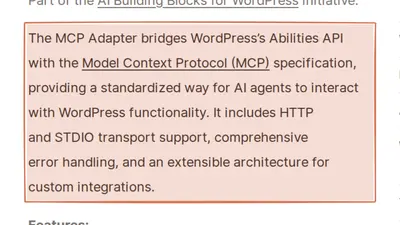
WordPress's official AI agent plugin exposes what plugins allow
Version 0.7.0 of the MCP Adapter landed on WordPress.org, routing agent authorization through the Abilities API and each registered ability's public flag.
-
Healthcare pages lost review stars and markup fixes did not help
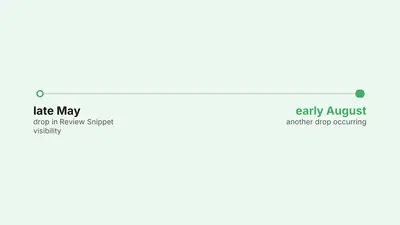
Schema App found the drop in Search Console's search-appearance filter, reworking aggregateRating paths restored nothing, and Google has not commented.
-
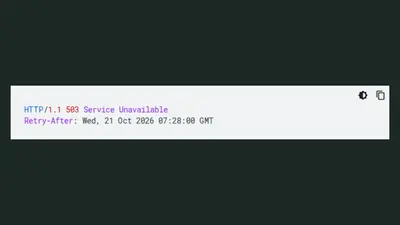
Google documents how to tell Googlebot when to retry a 503
Google's reduce-crawl-rate guide now shows Retry-After examples in seconds and absolute UTC form, plus the 1-2 day limit on returning those error responses.
-
A resolver without the new DNS root key breaks sites on Oct 11
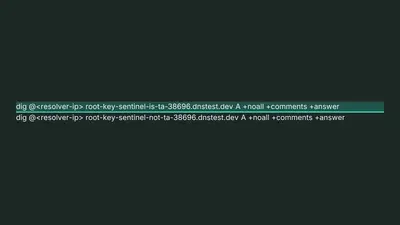
The DNS root switches to a new signing key, KSK-2024, on October 11. Two sentinel queries defined by RFC 8509 show whether a resolver trusts it before the switch.
-
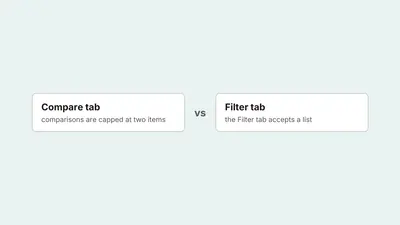
Search Console now adds up several countries in one filter
Google's Oct. 6 post lets the Performance report's Country filter take several countries at once, so group CTR and average position no longer need hand math.
-
Google flags subdomains that override your AI Overviews setting
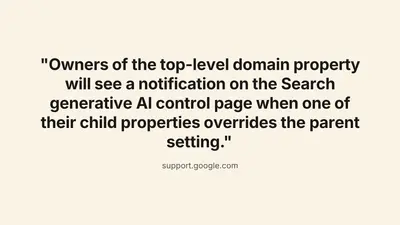
Search Console's generative AI control lets a child property set its own value, and only the domain property owner gets the notification that it happened.
-
Splitting a sitemap only changes what Search Console reports
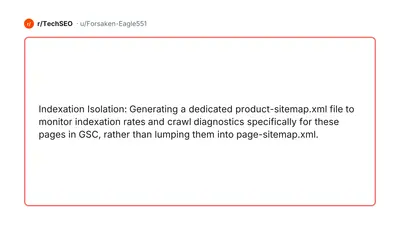
A WordPress team moving root landing pages under /products/ planned a product-sitemap.xml for faster re-indexation. The 301s and internal links do that work.
-
Mueller: AI crawlers only use sitemaps they find on their own
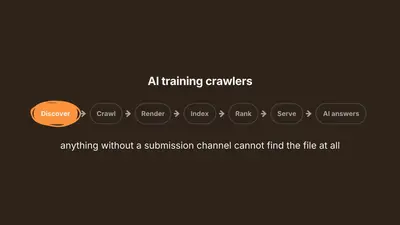
Google's John Mueller says AI training crawlers have no console for sitemap submission, and that his own server logs show them fetching his sitemap and RSS files.
-
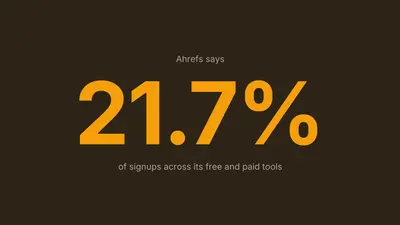
Ahrefs traces one in five of its signups to ChatGPT or Claude
Ahrefs' self-reported signup data puts AI second only to Google, while its referral sessions show far less. What to add to onboarding forms and analytics baselines.
-
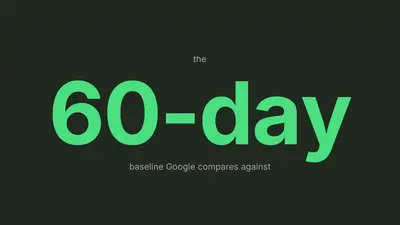
Google builds price drop badges from its own 60-day crawl average
No feed attribute removes a price drop badge Google built from its own crawl history. Check the crawled price in Merchant Center and return 404 for retired images.
-
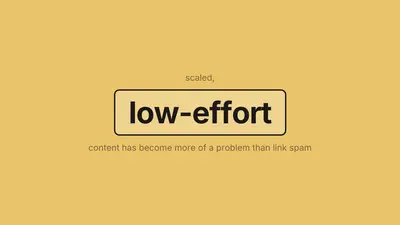
Google says scaled content is now a bigger problem than link spam
At Search Central Live Deep Dive, Google tied 2026's spam updates to a flood of new content and AI-assisted detection. Audit per-page effort before backlinks.
-
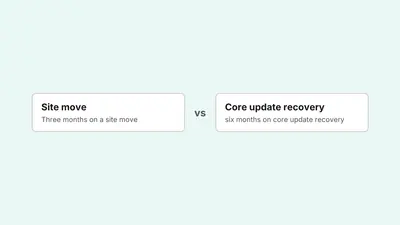
Google puts numbers on site moves and core update recovery
The ranges reported from Gary Illyes' Barcelona session cover discovery, refresh, canonicalization and manual actions, with no sample size or definition of typical.
-
Google now calls AI headshots and fake bylines deception
The Oct. 1 edit to Google's people-first content page puts fabricated creator profiles in site-owner guidance, matching section 4.5.3 of the rater guidelines.
-
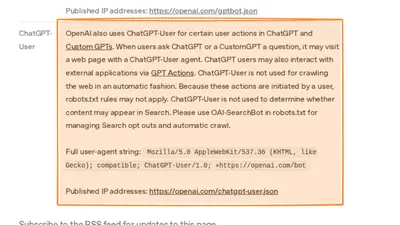
OpenAI's always-on agents browse with no published user agent
OpenAI's dots and Google's AI Mode monitoring both keep re-checking the web after the user leaves, and OpenAI's bot docs name no user agent for a dot's browser.
-
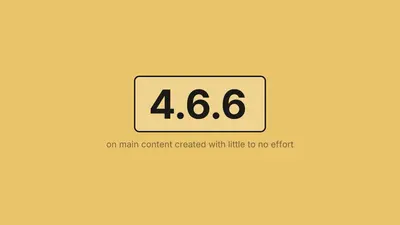
Google's docs now spell out the effort test for AI pages
Google's generative AI content guide now cites rater guideline sections 4.6.5 and 4.6.6, alongside its manual factcheck rule and IPTC labels for AI product images.