Latest Technical SEO News
Crawling changes, algorithm updates, rendering fixes, and structured data developments as they happen.
-
A resolver without the new DNS root key breaks sites on Oct 11
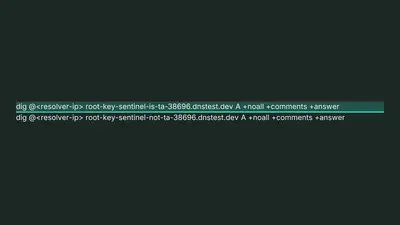
The DNS root switches to a new signing key, KSK-2024, on October 11. Two sentinel queries defined by RFC 8509 show whether a resolver trusts it before the switch.
-
Search Console now adds up several countries in one filter
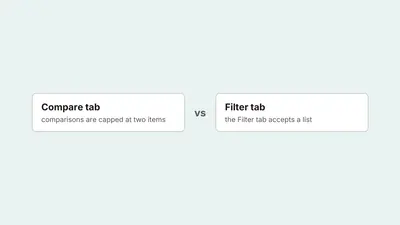
Google's Oct. 6 post lets the Performance report's Country filter take several countries at once, so group CTR and average position no longer need hand math.
-
Google flags subdomains that override your AI Overviews setting
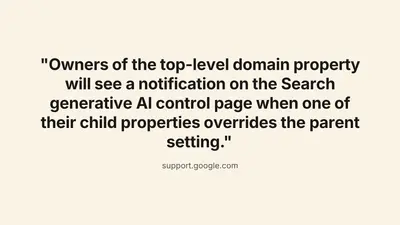
Search Console's generative AI control lets a child property set its own value, and only the domain property owner gets the notification that it happened.
-
Splitting a sitemap only changes what Search Console reports
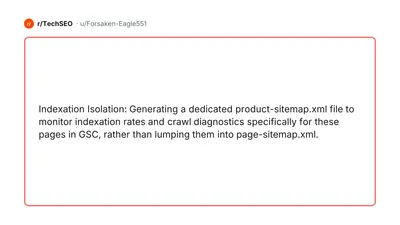
A WordPress team moving root landing pages under /products/ planned a product-sitemap.xml for faster re-indexation. The 301s and internal links do that work.
-
Mueller: AI crawlers only use sitemaps they find on their own
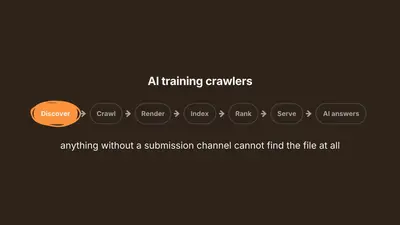
Google's John Mueller says AI training crawlers have no console for sitemap submission, and that his own server logs show them fetching his sitemap and RSS files.
-
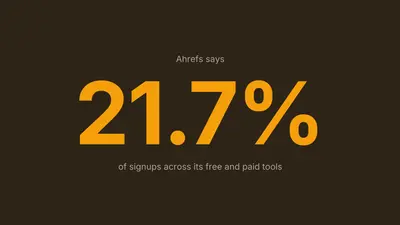
Ahrefs traces one in five of its signups to ChatGPT or Claude
Ahrefs' self-reported signup data puts AI second only to Google, while its referral sessions show far less. What to add to onboarding forms and analytics baselines.
-
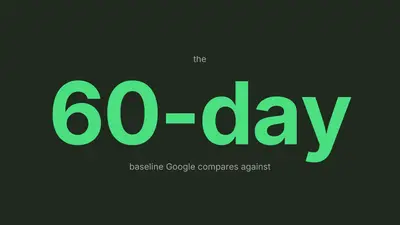
Google builds price drop badges from its own 60-day crawl average
No feed attribute removes a price drop badge Google built from its own crawl history. Check the crawled price in Merchant Center and return 404 for retired images.
-
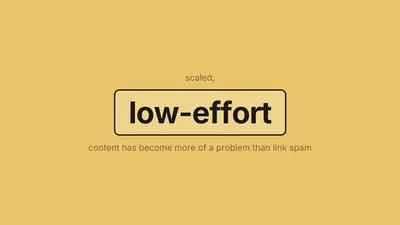
Google says scaled content is now a bigger problem than link spam
At Search Central Live Deep Dive, Google tied 2026's spam updates to a flood of new content and AI-assisted detection. Audit per-page effort before backlinks.
-
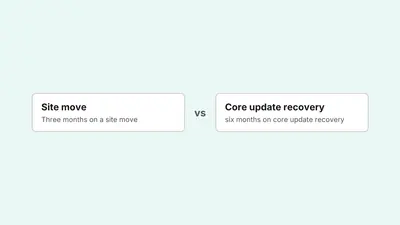
Google puts numbers on site moves and core update recovery
The ranges reported from Gary Illyes' Barcelona session cover discovery, refresh, canonicalization and manual actions, with no sample size or definition of typical.
-
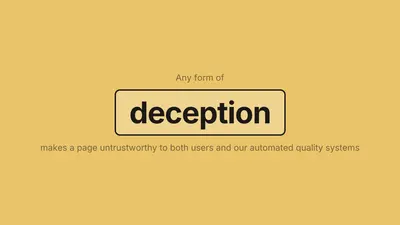
Google now calls AI headshots and fake bylines deception
The Oct. 1 edit to Google's people-first content page puts fabricated creator profiles in site-owner guidance, matching section 4.5.3 of the rater guidelines.
-
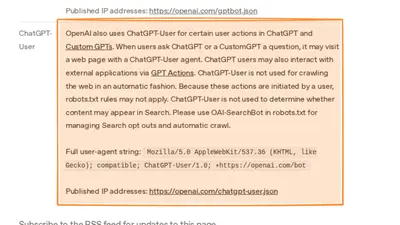
OpenAI's always-on agents browse with no published user agent
OpenAI's dots and Google's AI Mode monitoring both keep re-checking the web after the user leaves, and OpenAI's bot docs name no user agent for a dot's browser.
-
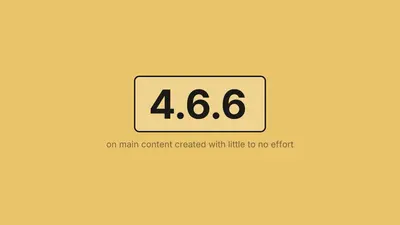
Google's docs now spell out the effort test for AI pages
Google's generative AI content guide now cites rater guideline sections 4.6.5 and 4.6.6, alongside its manual factcheck rule and IPTC labels for AI product images.
-
Some AI Overview links carry a ?st_source=ai_overview parameter
Screenshots show the parameter on AI Overview and AI Mode links, Search Engine Roundtable could not replicate it, and an anonymous tip blames black hat indexing.
-
AI Overviews skip thin, stale pages at the same organic rank
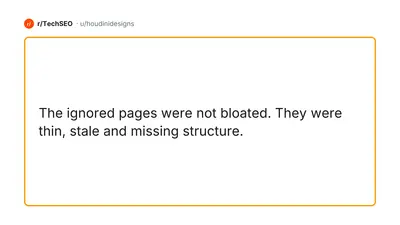
A sample of 600 commercial searches compared ignored page-1 results with cited ones at the same organic position. Short, stale pages were the ones passed over.
-
Google now lists entire team rosters in its AI Overviews
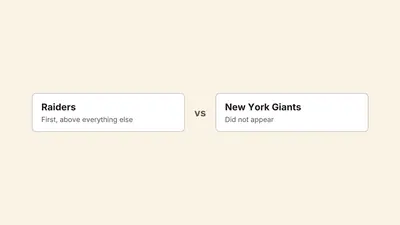
Google's AI Overview now prints a full NFL roster on some team queries, first for the Raiders, not at all for the Giants. Audit list templates on mobile first.
-
Google now tags Gemini links so referrals leave direct traffic
Gemini's UTM tagging is undocumented, the referrer still drops on mobile, and the resulting GA4 jump reflects attribution catching up, not new visits.
-
Google now shows AI Overviews for most big brand names
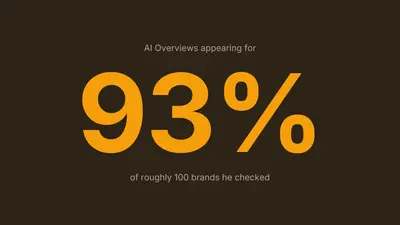
A test of about 100 brand names found AI Overviews on 93 percent, mostly below the brand's own result. DemandSphere says branded AI Overviews tripled in September.
-
AI Overviews cite page tops, but moving text up may not help
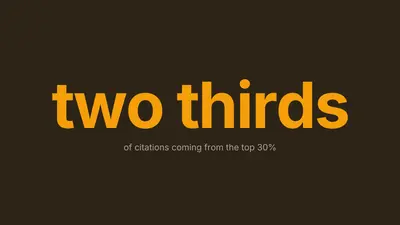
A Reddit study puts two thirds of AI Overview citations in the top 30% of a page. Commenters want a baseline, and one saw AI Mode citations change within 33 hours.
-
A robots.txt rewrite to stop AI bots took a site out of Google
The rewrite allowed Googlebot but named Googlebot-Image and Google-InspectionTool, and Google's crawler docs show why robots.txt needs a per-variant audit.
-
Cloudflare tests charging AI agents instead of blocking them
Cloudflare's Monetization Gateway lets a site price agent requests and answer with HTTP 402, but it is a US-only closed beta, so the job today is measuring bots.