Latest Technical SEO News - Page 2
Crawling changes, algorithm updates, rendering fixes, and structured data developments as they happen.
-
AI Overviews cite page tops, but moving text up may not help
A Reddit study puts two thirds of AI Overview citations in the top 30% of a page. Commenters want a baseline, and one saw AI Mode citations change within 33 hours.
-
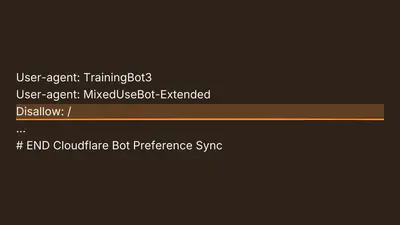
A robots.txt rewrite to stop AI bots took a site out of Google
The rewrite allowed Googlebot but named Googlebot-Image and Google-InspectionTool, and Google's crawler docs show why robots.txt needs a per-variant audit.
-
Cloudflare tests charging AI agents instead of blocking them
Cloudflare's Monetization Gateway lets a site price agent requests and answer with HTTP 402, but it is a US-only closed beta, so the job today is measuring bots.
-
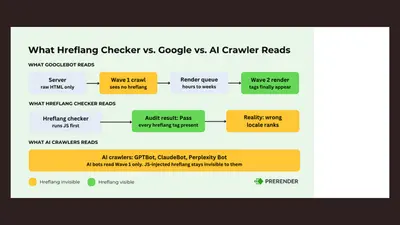
Hreflang checkers pass tags that AI crawlers never see
Prerender.io's post traces how hreflang audits grade the rendered page, why one JavaScript-injected locale can void a cluster, and the view-source check.
-
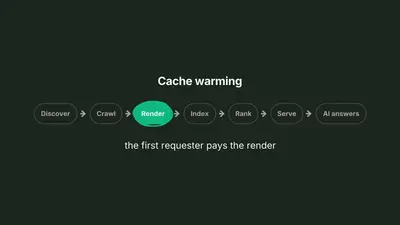
Cloudflare moves Next.js prerendering off the build machine
Vinext 1.0 warms Cloudflare's cache from a deploy that takes no live traffic instead of rendering every page at build, so URLs outside that pass render cold.
-
A monitoring bug kept fast interactions out of INP for years
SpeedCurve's lux.js sent durationThreshold to the wrong place, so browsers fell back to a 104ms default. Version 4.5.3, published 30 September, carries the fix.
-
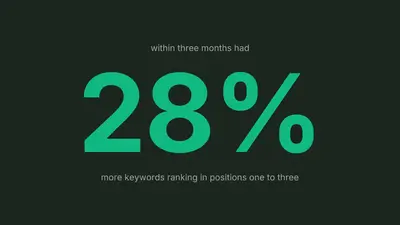
Moving category listings into HTML lifted top-3 keywords 28%
Sitebulb's rendering guide sets ASOS against Samsung, counts product links missing from the initial HTML, and argues checkout belongs on client-side rendering.
-
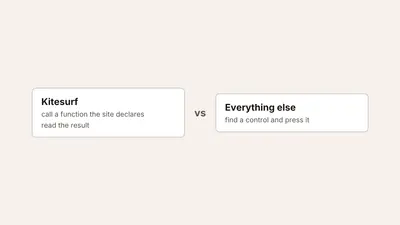
Cloudflare's agent browser calls site tools instead of clicking
Kitesurf now reads the WebMCP tools a site declares, and its renderer prints a page to the terminal in ANSI or Kitty graphics so you can see what an agent sees.
-
Yoast lets AI agents rewrite canonicals and robots flags in bulk
Yoast SEO Abilities makes canonical, robots flags, cornerstone and schema type writable over MCP. Rollback lasts only while the chat session is open.
-
Google's spam update may take two weeks instead of three days
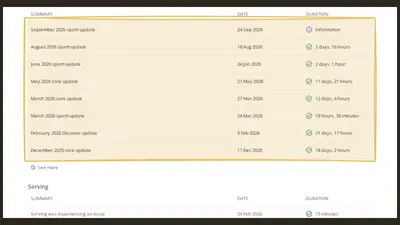
Google's September spam update may run two weeks. Volatility began September 23 and rank-tracker data has been degraded since the 13th, so date-stamp baselines now.
-
Microsoft's own data puts Bing Chat click rates far below search
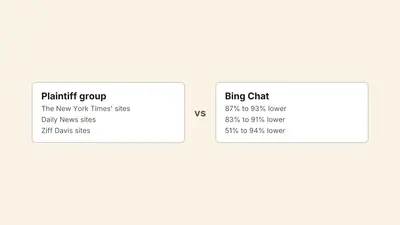
Microsoft's click-through figures for three publisher groups appear in the Sept. 17 summary judgment brief, with no sample size, date range, or tie to Copilot.
-
Lazy-loading the hero image delays LCP instead of speeding it up
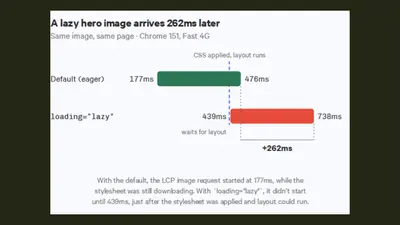
A lazy hero image waits for layout before the browser requests it. In Calibre's test the request started at 439ms instead of 177ms, and 17% of pages do it.
-
Cloudflare data shows image downloads are rarely what slows LCP
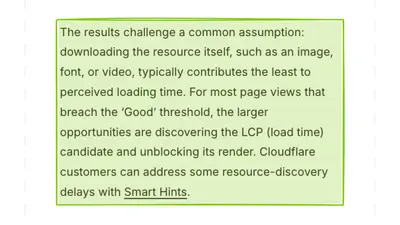
Cloudflare's public BEACON dataset on BigQuery splits LCP into four stages, and for slow page views, late discovery and render blocking cost more than the download.
-
Google plans to run AI Mode hotel bookings on an open standard
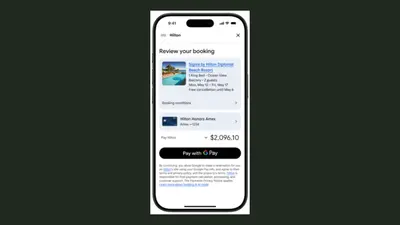
A draft booking standard, UCP, sets how hotels answer Google's live price and availability checks. Integrating does not change ranking, and joining is by waitlist.
-
French sites lost CTR in proportion to their AI Overview exposure
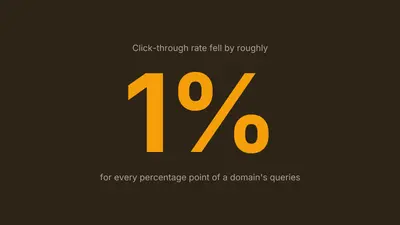
Ahrefs data on 963 French domains shows sites where over 20% of queries triggered an AI Overview lost 23.1% of their CTR in the nine days after launch.
-
Vercel lets in-page AI agents call your site's tools as the user
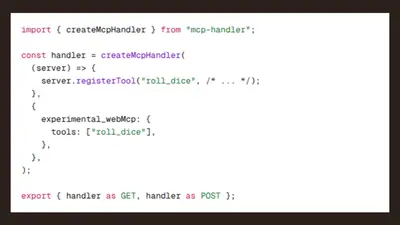
Vercel's mcp-handler 2.2.0 serves a WebMCP script that registers allowlisted MCP tools in the page and runs each call with the visitor's session cookies.
-
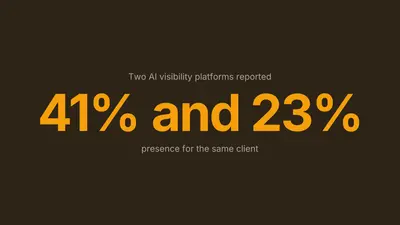
AI visibility swings of 20 points can be noise at 10 runs a prompt
Mike King of iPullRank publishes margins of error by run count, explains why vendors disagree on model mode and prompt phrasing, and lists methodology questions.
-
Cloudflare's AI training block now stops Googlebot too
Since September 15, Cloudflare's Training block also shuts out Googlebot, Bingbot and Applebot. Disallow AI Training refuses training and keeps search.
-
JavaScript error pages can make Google index another site instead
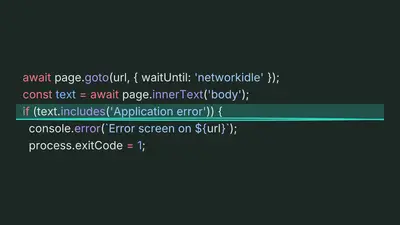
A Reddit user saw Google pick a casino page as canonical for their pages. Mueller says an indexed JavaScript error page may explain it and suggests hourly checks.
-
Your September visibility drop may be a rank tracker losing data
Rank tracker Nozzle lost about 80% of its Google data in mid-September and Sistrix's collection slowed, so check Search Console before trusting a visibility drop.